
When wildfire comes close to home
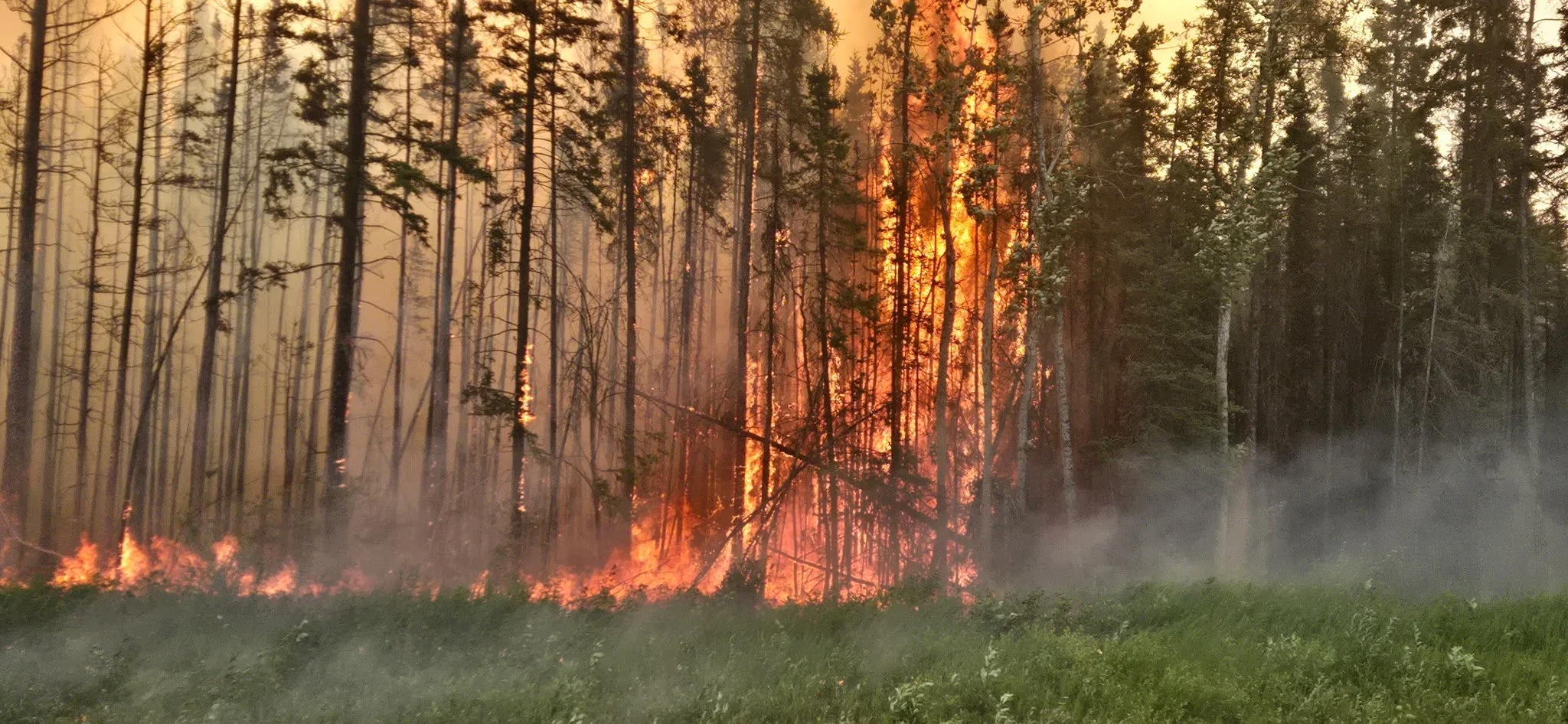
How NTPC crews kept the power system operating through a dangerous wildfire – and what the experience is teaching us about preparing for the next emergency
By Brendan Whelly, September 24, 2026
There was a point this summer when we were sitting inside the Fort Simpson power plant, waiting for a call to shut down the community’s electricity.
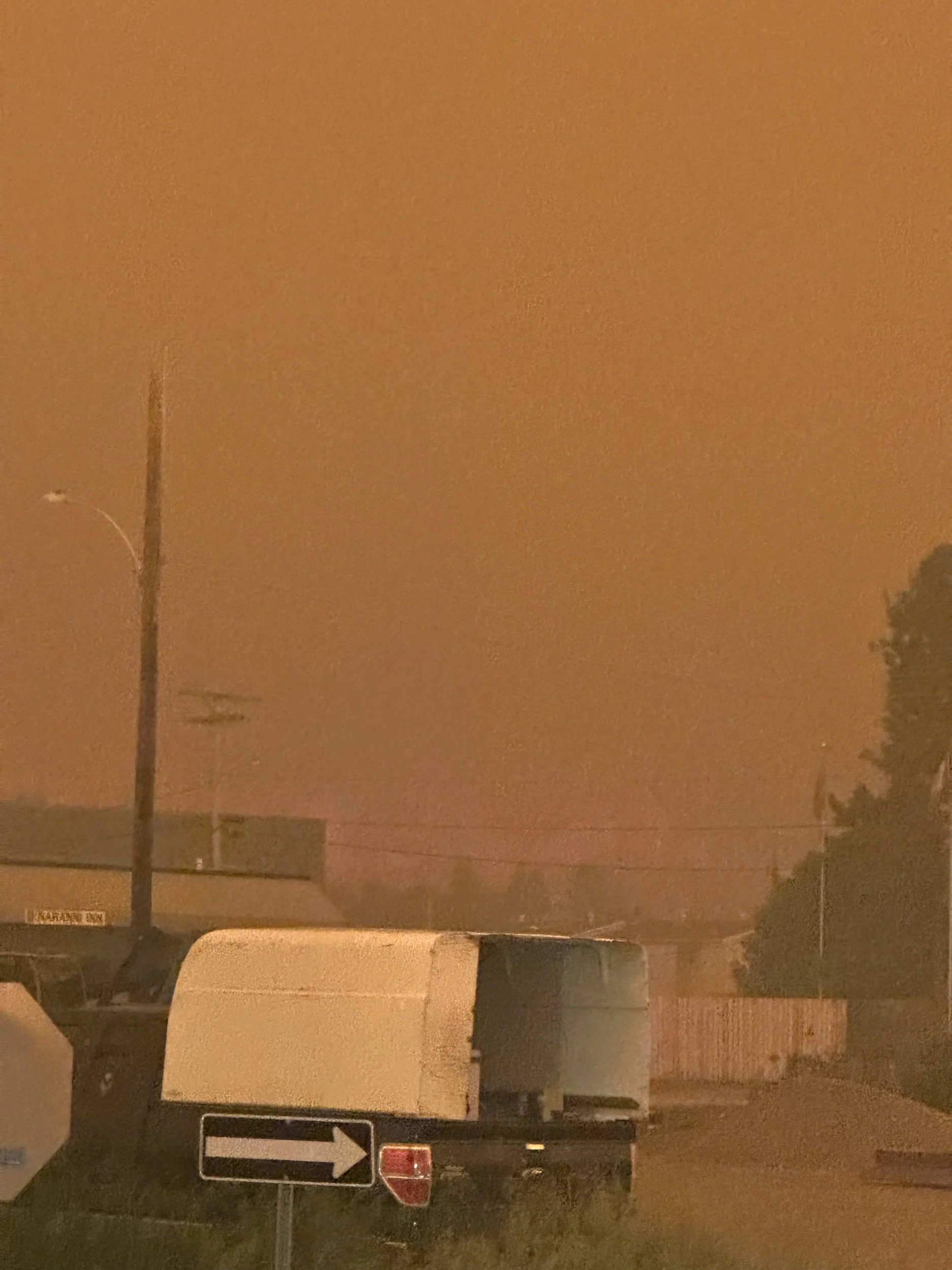
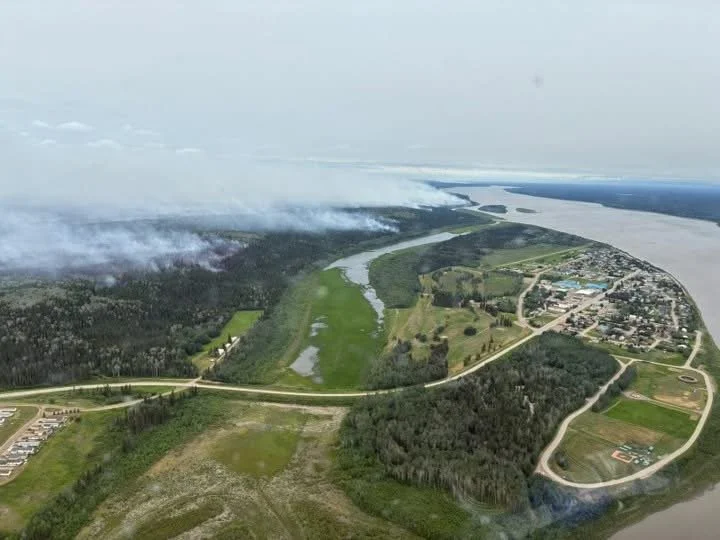
Outside, smoke had turned day into night. Street lights had come on. Ash was falling over the island. Winds were pushing a major wildfire directly toward us, and even the firefighters had been told to shelter in place.
For about an hour, we waited.
I’ve lived in Fort Simpson for almost all of my 36 years and I had never seen anything like it.
Preparing for emergencies
What happened here this summer was extraordinary.
But for NTPC, preparing for wildfire and other emergencies can no longer be about treating each event as something we hope won’t happen again.
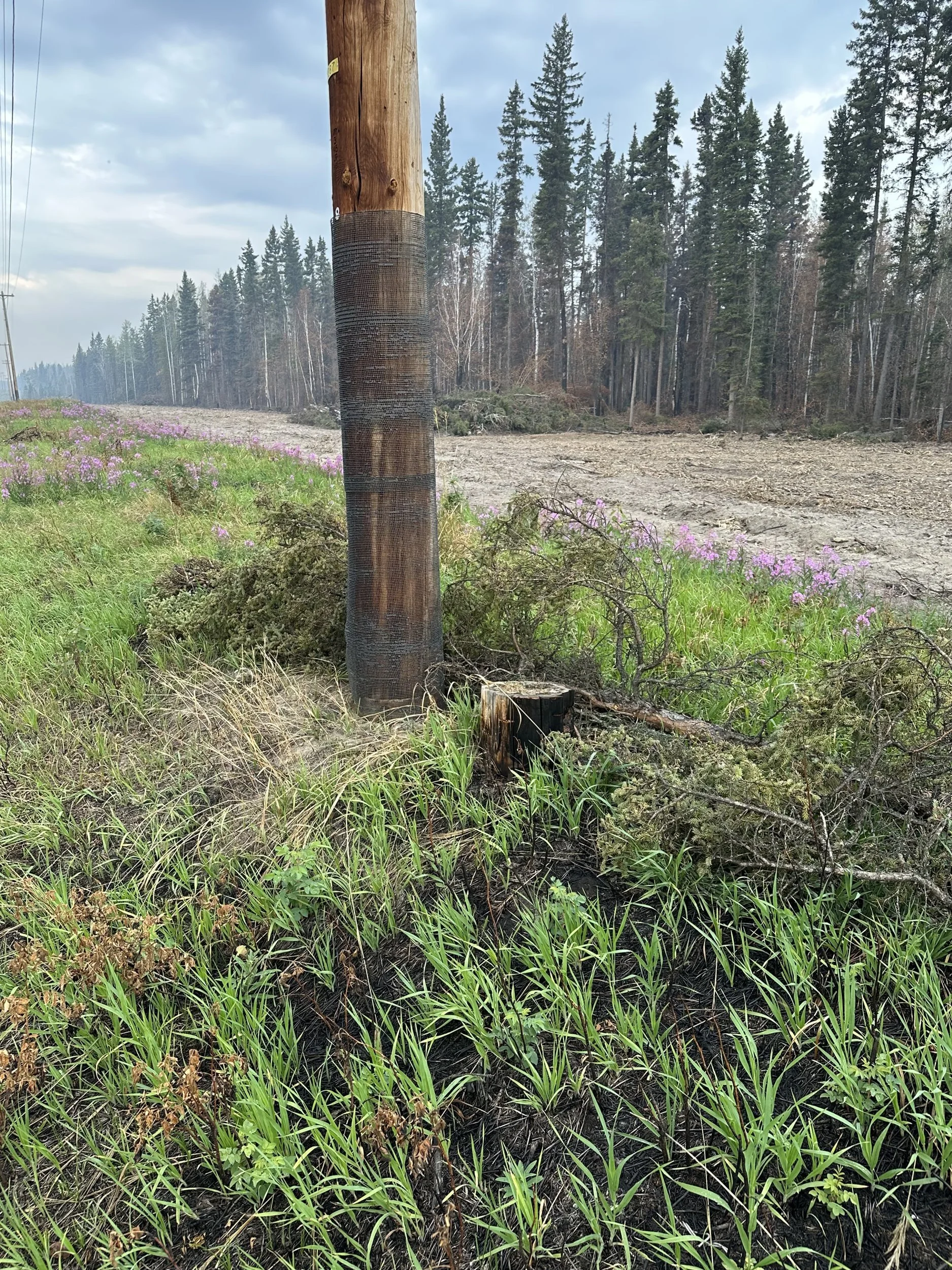
We actively monitor fires that could threaten the communities we serve. We work closely with wildfire officials. We clear vegetation around our infrastructure, look for ways to protect our distribution system and maintain mobile emergency generation that can be deployed if a plant is damaged.
We prepare because there are limits to what anyone can control when a wildfire is moving toward a community.
That became very real for us in late June.
When the fire roared in
In the weeks beforehand, NTPC had been monitoring more than 20 fires near communities across the territory. Then, on June 26, fires started south of Fort Simpson following an intense thunderstorm.
We prepare because there are limits to what anyone can control when a wildfire is moving toward a community.
The evacuation order came June 29. Most residents left, but a small number of essential workers remained behind – including members of our NTPC team.
The power system still had to operate, and we needed people on the ground who could respond quickly if firefighters needed electricity shut off or restored as conditions changed.
For many of us, that meant staying in Fort Simpson while our families evacuated.
And yet it was the next day I’ll never forget.
Winds reached about 60 kilometres an hour and pushed the fire toward the island. The smoke rolled in and we were told to be prepared to shut the entire system down if the fire came through. Cutting power would protect residents and firefighters and allow the wildfire response to proceed safely.
Fortunately, that call never came.
But the danger wasn’t over.
Too close to home
Days later, fire moved into the Wild Rose subdivision off the island. We were asked to shut down the feeder supplying that area and did so immediately.
That one was personal. Wild Rose is my neighbourhood.
That one was personal. Wild Rose is my neighbourhood. One of our power line technicians lives there. So does our apprentice.
For about eight hours, we didn’t know what was happening. We could hear radio traffic from crews responding to fires, but we didn’t know whether homes were burning or what was happening to our poles and lines.
When conditions finally settled, we went out to inspect. Somehow, our homes were still there and the distribution system was largely intact.
Then we went to work.
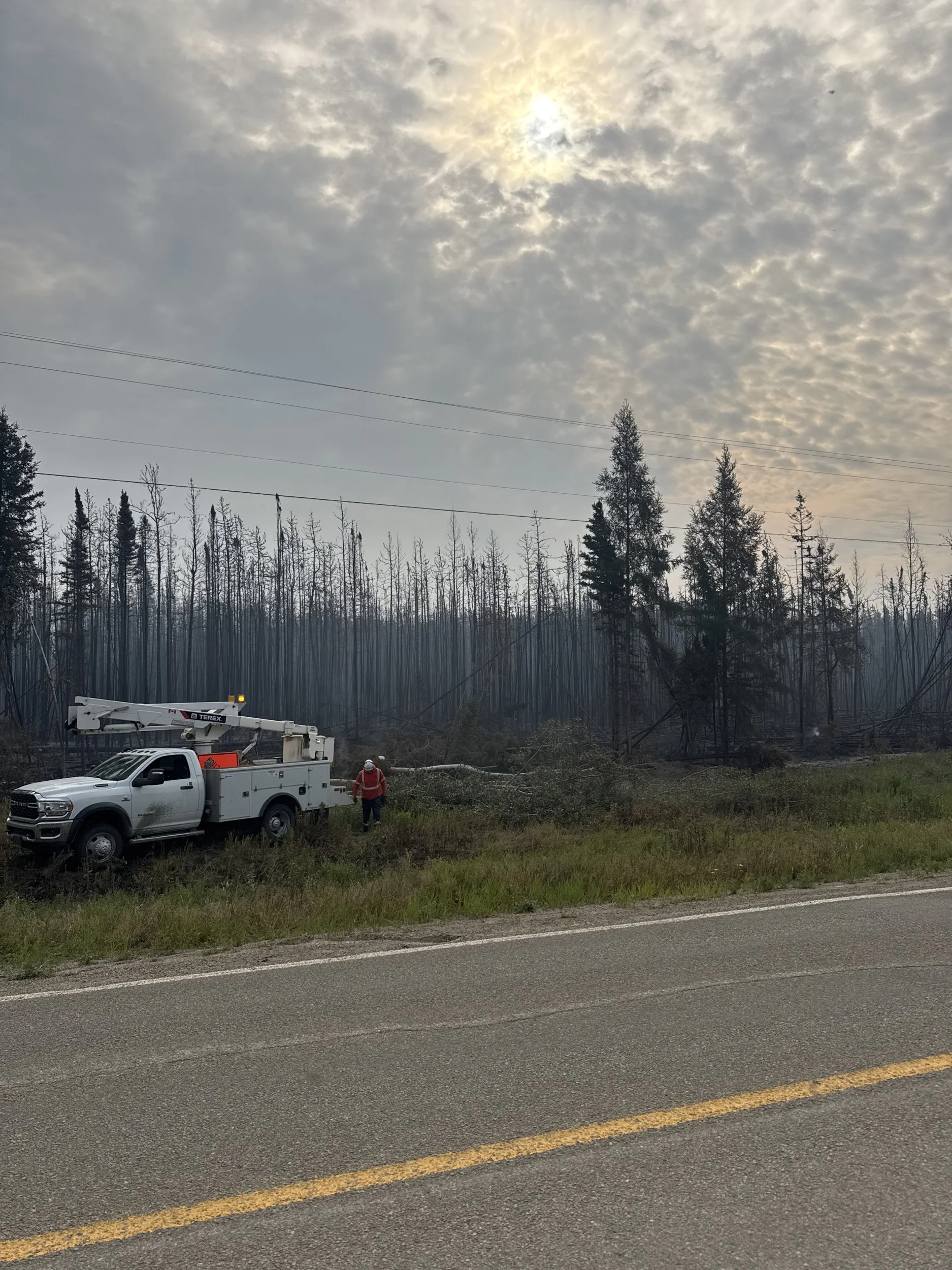
Where it was safe, we restored electricity as quickly as we could. Within about a day, power was back for most customers on that feeder, with a small number remaining disconnected because of damaged poles or dangerous trees affecting service lines.
That mattered. Temperatures were still above 30 C. Leaving 150 or more homes without electricity could have meant refrigerators and freezers full of spoiled food waiting for families when they returned.
Over the following weeks, our work continued – isolating sections of line when requested by the incident management team, responding to outages caused by burned trees and protecting infrastructure as crews continued fighting hotspots.
The team steps up
None of it was one person’s accomplishment.
Our operators kept the plant running. Our power line technicians responded immediately when work was needed in the community. My fellow manager, Darren, shared the workload.
Nobody complained. Everybody just did what needed to be done.
Nobody complained. Everybody just did what needed to be done.
NTPC supported us, too. My supervisors trusted those of us on the ground to make decisions quickly. The company helped find accommodations in Yellowknife for my wife and three children and for other employees’ families. Knowing they were safe meant I could stay in Fort Simpson and concentrate on the job.
The NTPC staff directly involved in the wildfire response were:
Fort Simpson: Darwin Nowegian, Plant Operator; Rylan Hardisty Gillis, Trades Helper; Darren Hardisty, Apprentice Mechanic; Clod Manalo, Dean Kenny, Numer Lontoc and Edwin Tubog, Power Line Technicians; and Frank Liu, Electrician.
Wrigley: Michael Pellisey, Plant Superintendent, and Ernie Moses, Casual Plant Superintendent.
Frank Betsina, Hafiz Issa, Nathan Jewer and Witness Phiri all helped maintain power in our region and other communities even while displaced from their homes.
When things got bad, everyone pulled on the same rope.
Preparing for the next emergency
We know we always need to be ready for the next emergency.
The experience we gained this summer will help. So will the preparation already underway. NTPC has emergency generators that can be quickly transported and connected to the distribution systems serving smaller thermal communities.
We maintain relationships with suppliers, rental companies and other utilities that can provide additional equipment and support. And we’re continuing to look at practical ways to protect our plants, poles and lines before a fire gets close.
We can’t promise that a wildfire won’t damage a pole, a power line or even a generating plant. No utility can eliminate every risk from a natural disaster.
What we can do is prepare for it, learn from every event and have experienced people and equipment ready to respond.
This summer showed me just how important that preparation is.
It also reminded me how much the people around me matter. When things got bad, everyone pulled on the same rope.
That’s a good thing to know about your team before the next call comes.
Brendan Whelly is NTPC’s Manager, Maintenance Services for the Deh Cho/Sahtu region. He is based in Fort Simpson.