
Winter resupply: the work that keeps the lights on
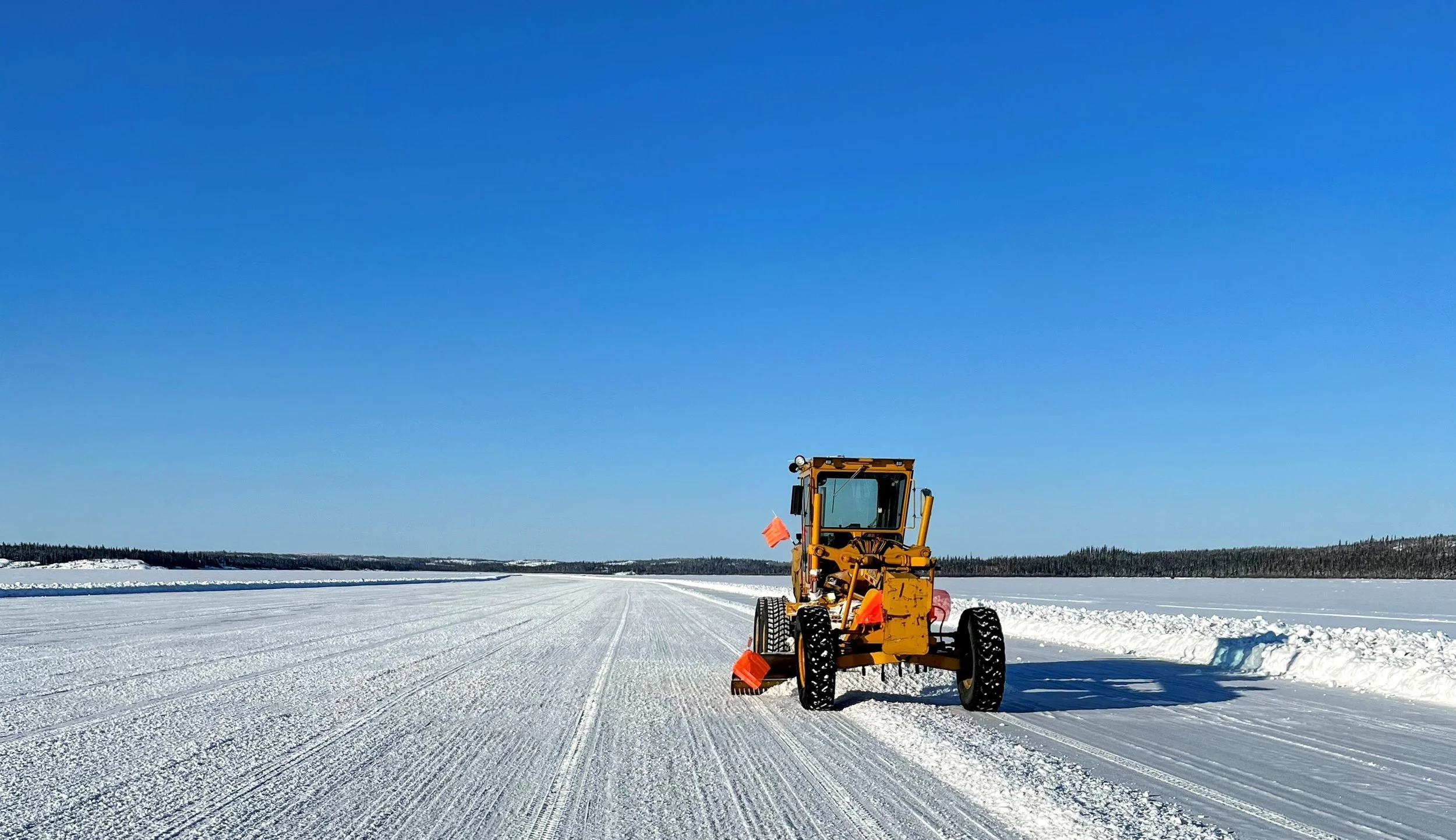
Bluefish Ice Road
What winter resupply means for reliability, communities and the people who power the North
By Cory Strang, February 12, 2026
In the North, reliable electricity is never an accident. It is built months in advance, through careful planning, disciplined execution, and a deep understanding of northern realities. One of the clearest examples of that work is winter resupply.
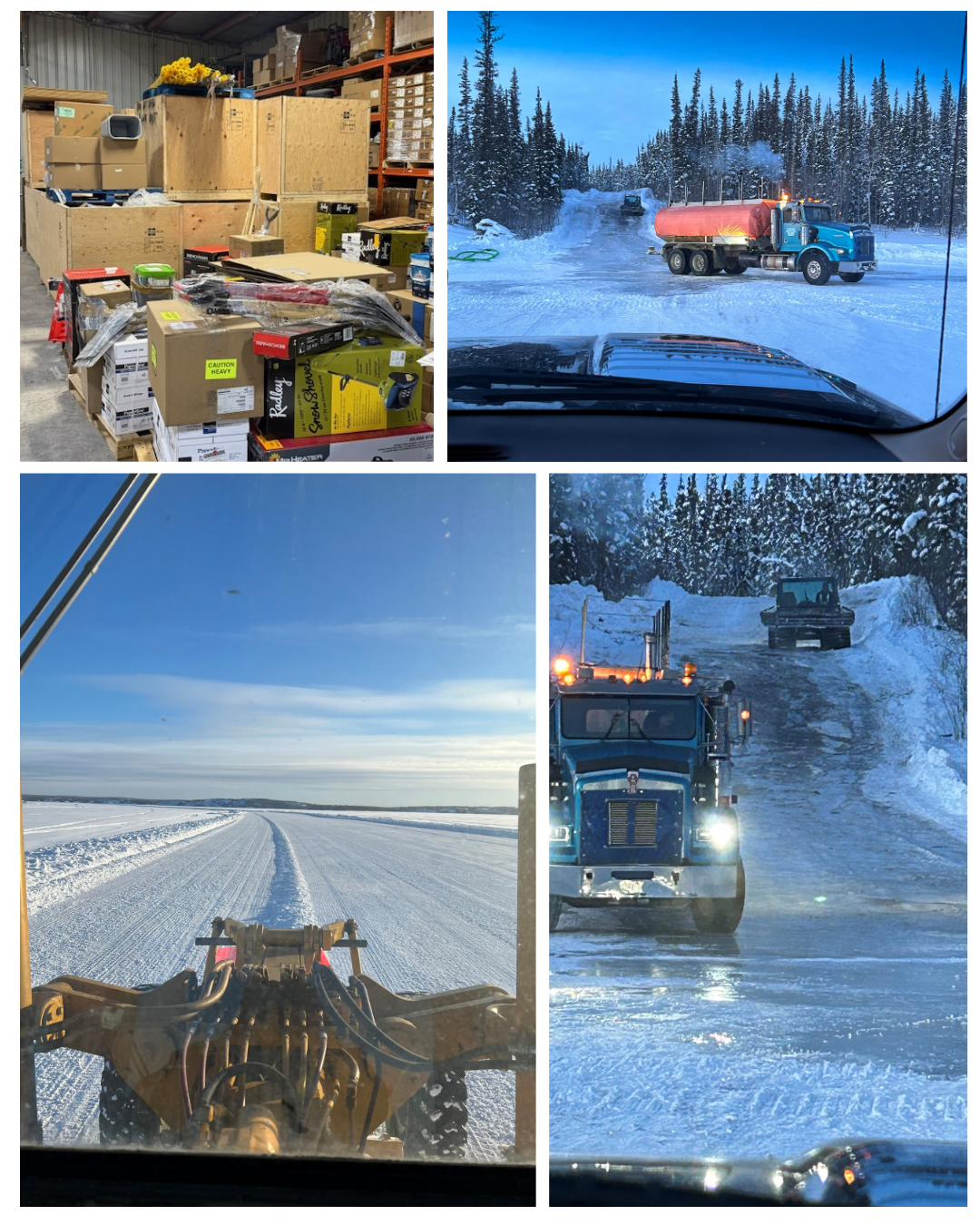
For many Northerners, winter roads are a familiar part of life. For NTPC, they are a narrow but critical window to move the equipment and materials that help keep communities powered through the coldest months of the year.
“Once that road closes, it closes,” says Vern Gardiner, NTPC’s logistics officer, who has been shipping materials into northern communities for more than 30 years. “You might get 72 hours’ notice, and that’s it. So when the road opens, we move.”
This week, the Minister of Infrastructure released a statement on winter road and ice crossing implementation for the NWT, highlighting the territorial approach to managing these critical seasonal corridors.
That urgency reflects months of preparation behind the scenes. Winter resupply is not a stand-alone activity – it is the execution phase of planning that starts well before winter sets in. Community inventories are reviewed, annual requirements are assessed, and requisitions are prepared early so materials can be ordered, staged, and ready when conditions allow.
“Our focus is making sure communities have what they need on hand,” says Leila Ross, NTPC’s manager of supply chain management. “That means critical spare parts, power poles, transformers, and materials for maintenance and construction work. If items are used during the year, winter resupply is when we bring inventory back up to required levels.”
Grown more complex
Getting that right has direct consequences for reliability. In remote communities, having the right equipment already in place can significantly reduce outage durations. Heavy items like poles, transformers, and generators are not easily flown in, especially during extreme cold.
“You don’t want to be waiting an extra day for a part when it’s minus 40.”
“You don’t want to be waiting an extra day for a part when it’s minus 40,” Ross says. “If it’s already there, crews can get to work right away.”
Winter resupply has grown more complex in recent years. Lower water levels have disrupted summer barge seasons in parts of the territory, shifting more annual supply volumes onto winter roads. At the same time, warmer and less predictable winters are shortening the season and tightening load restrictions.
“The weather has changed a lot over the years,” Gardiner says. “It doesn’t stay as cold as it used to, and the road doesn’t last as long. That means fewer chances to get everything in.”
That reality has increased the importance of experience and judgement. Decisions about what must be shipped, how loads are sequenced, and when trucks move are informed by decades of northern knowledge. When the road opens, teams move quickly because there may not be another opportunity until the following year.
Impact across the territory
This year’s winter resupply includes routine inventory as well as materials for specific community projects, such as electrical infrastructure upgrades and new facilities. Each shipment is carefully coordinated, often involving multiple truckloads, because once the road closes, options become limited and expensive.
“The people doing this work understand what’s at stake because they live here too.”
Much of this work happens out of sight – in warehouses, planning documents, and long days on the winter road. But its impact is felt across the territory.
When winter resupply is done right, crews respond faster, outages are shorter, and communities are better protected during periods of peak winter demand. It reduces the need for emergency air freight and strengthens the reliability of systems that operate far from any external grid.
The people doing this work understand what’s at stake because they live here too. They watch the weather closely, worry about warm spells, and hope for cold – not out of convenience, but because communities depend on it.
Winter resupply may last only a few weeks each year, but its effects last much longer. It is one of the ways NTPC builds reliability in the North – carefully, deliberately, and long before winter arrives.
And every winter, when the roads open, our teams are ready – because reliability in the North depends on it.
Join us on the journey. Explore this Powering the North website, subscribe to receive updates and follow us on socials.

Cory Strang is Chief Executive Officer of the Northwest Territories Power Corporation.