
Indigenous partnerships are reshaping energy in the north
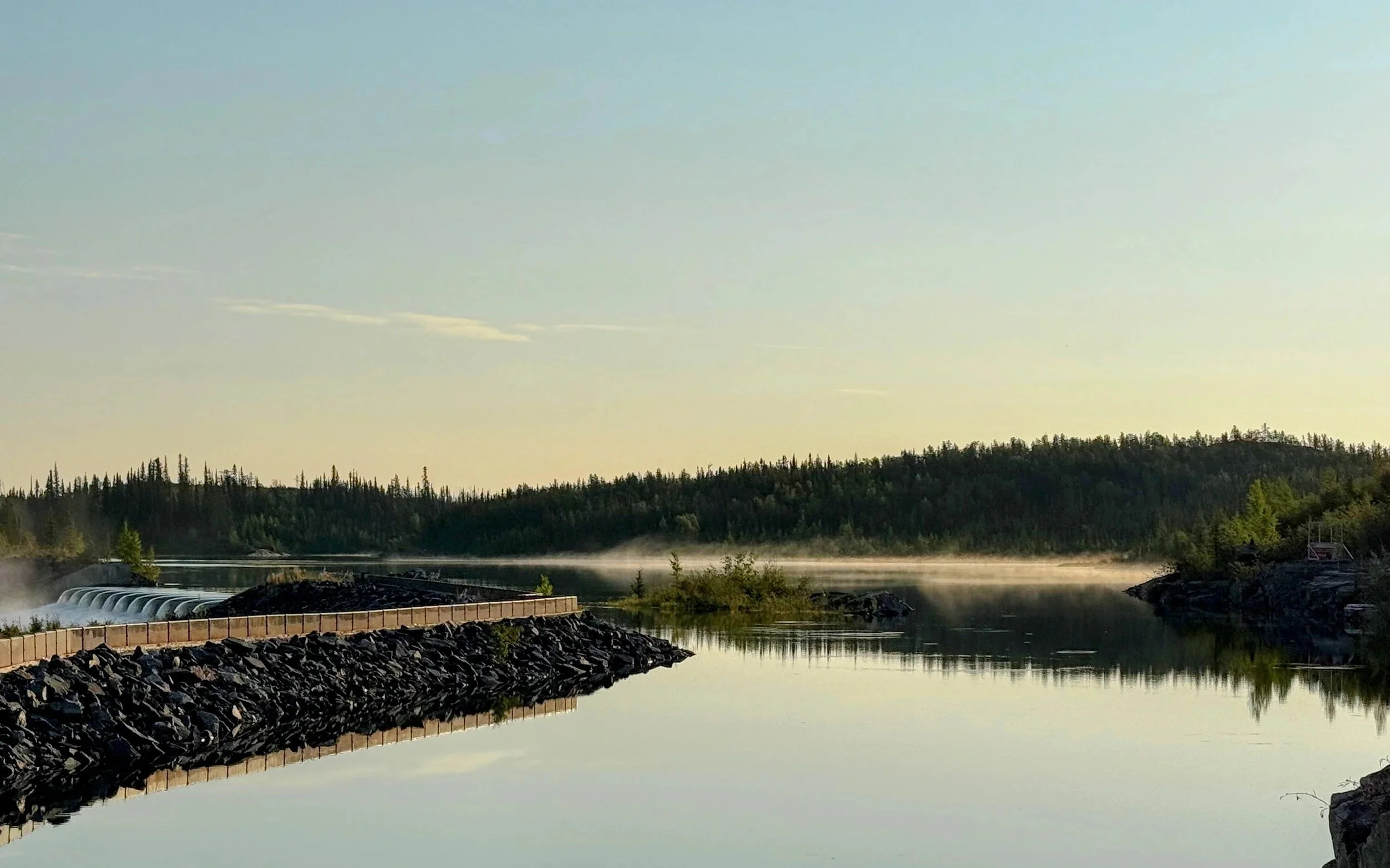
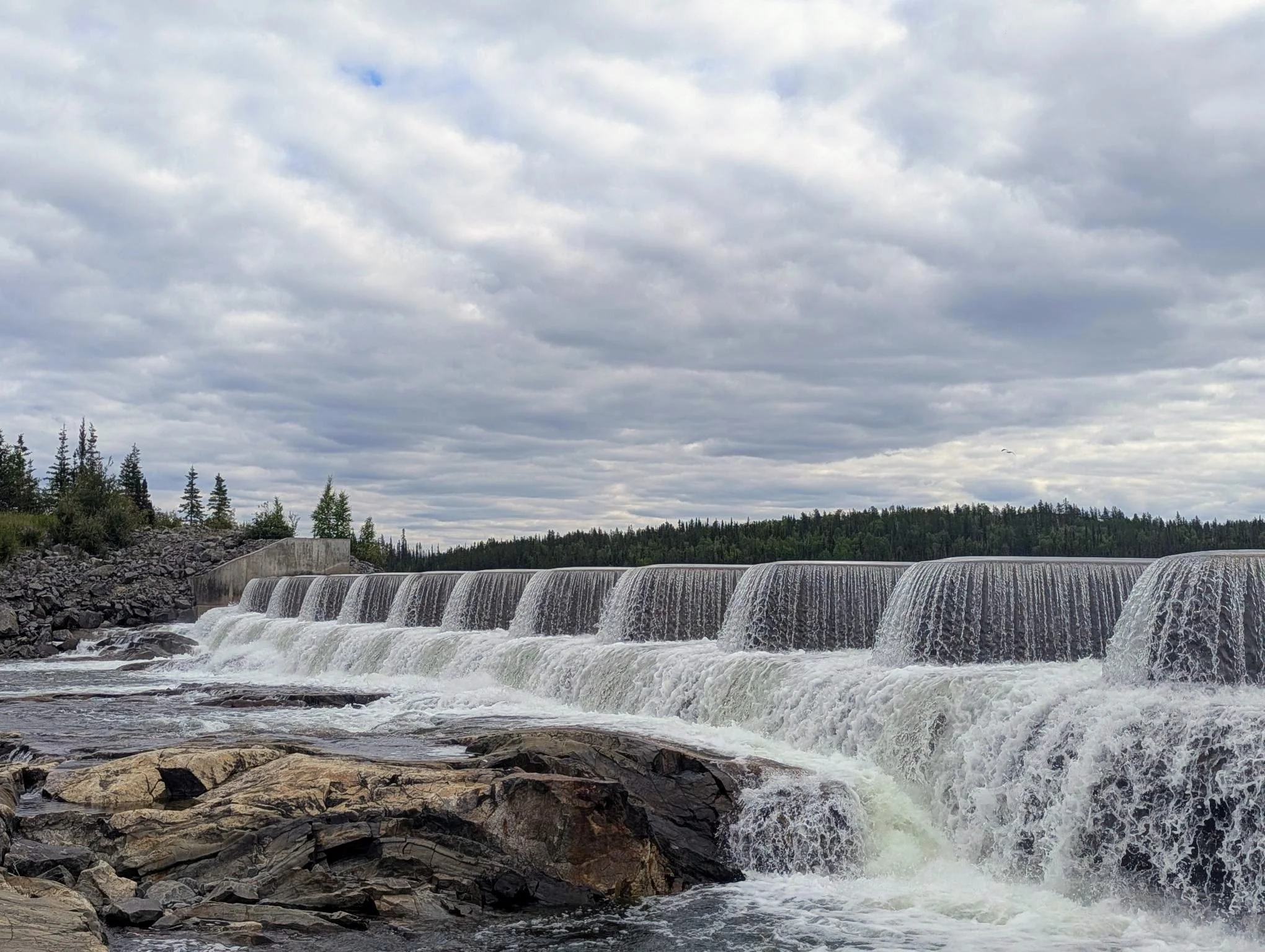
Snare Cascades Generating Station - spillway and intake canal, owned by the Tłı̨chǫ Government through the Dogrib Power Corporation, Northwest Territories. August 2025.
After decades on the sidelines, Indigenous communities are helping shape what comes next
By Jake Heron, April 29, 2026
I’ve watched how decisions get made in the North for a long time.
Electricity is life in the North. I don’t mean that as a figure of speech – I mean it practically. It heats our homes, keeps our businesses running, connects our kids to the world.
For most of our history, Indigenous peoples in the Northwest Territories have depended on that power without having much say in how it gets generated, who owns it, or who benefits when it gets built on our land.
I’ve spent most of my career working to change that. And right now – for the first time in my experience – the conditions are in place to actually do it.
It’s about future generations. It’s about making it happen collectively. That’s what I want to talk about here.
How we got here
I'm Métis, originally from Fort Smith, and I spent 30 years as a public servant with the Government of the Northwest Territories. I worked in land claims, economic development, housing and more.
I’ve watched how decisions get made in the North for a long time.
The original Taltson hydro facility was built in the mid-1960s to power Pine Point mine. Nobody asked the people living along the river – the trappers who knew every bend of that waterway, who could tell you when the water ran low and where the ice got dangerous.
Canada wanted to power a mine, so Canada built a dam. The diamond mines were much the same story, at least in the early years. Decisions were made by people elsewhere, for economic reasons that rarely flowed back to the communities already on the land.
Pine Point mine closed in 1988. The communities in the South Slave – Fort Smith, Fort Resolution, Hay River – were connected to the Taltson system and have had some of the lowest power rates in the Northwest Territories ever since. That’s something.
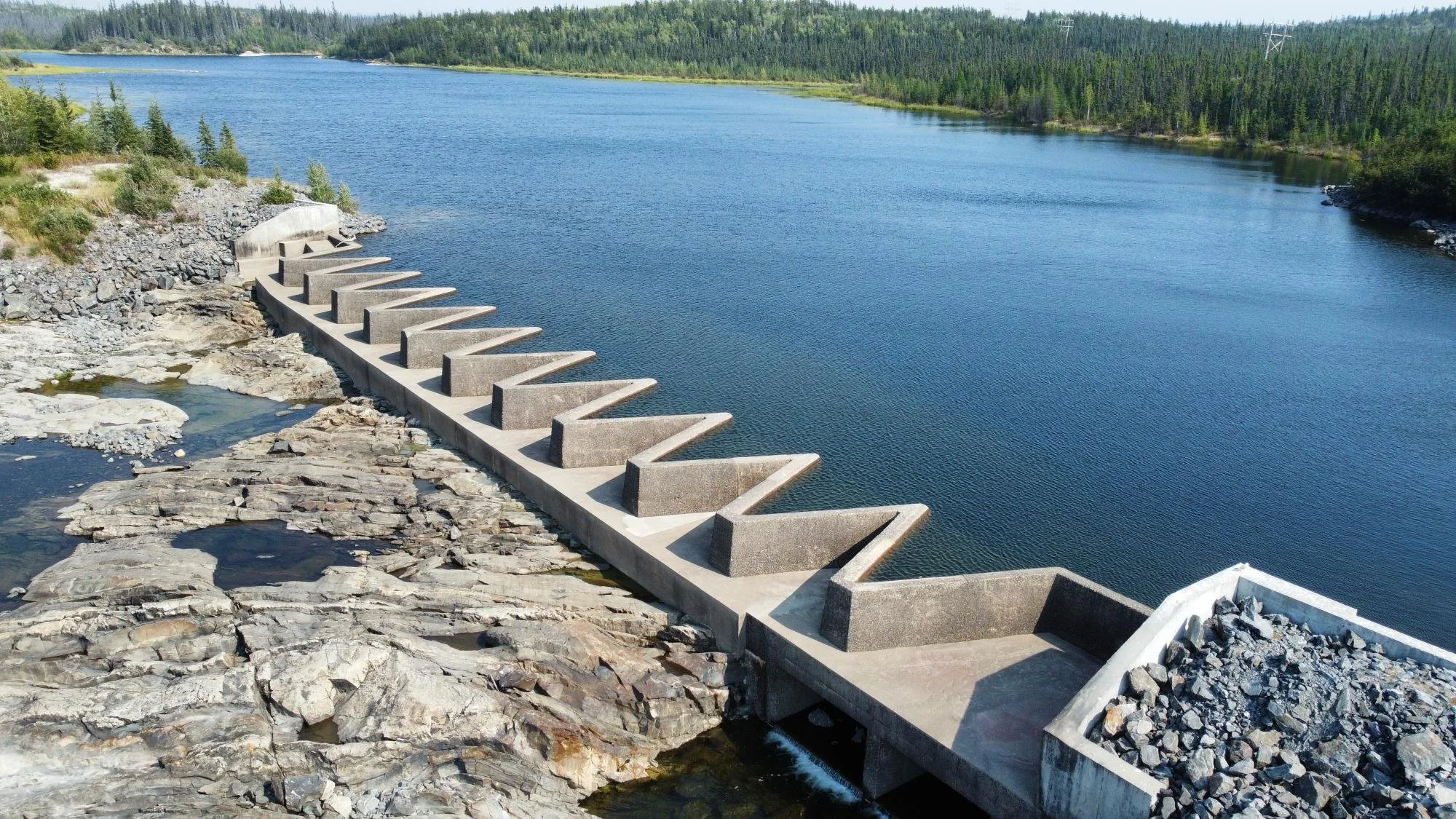
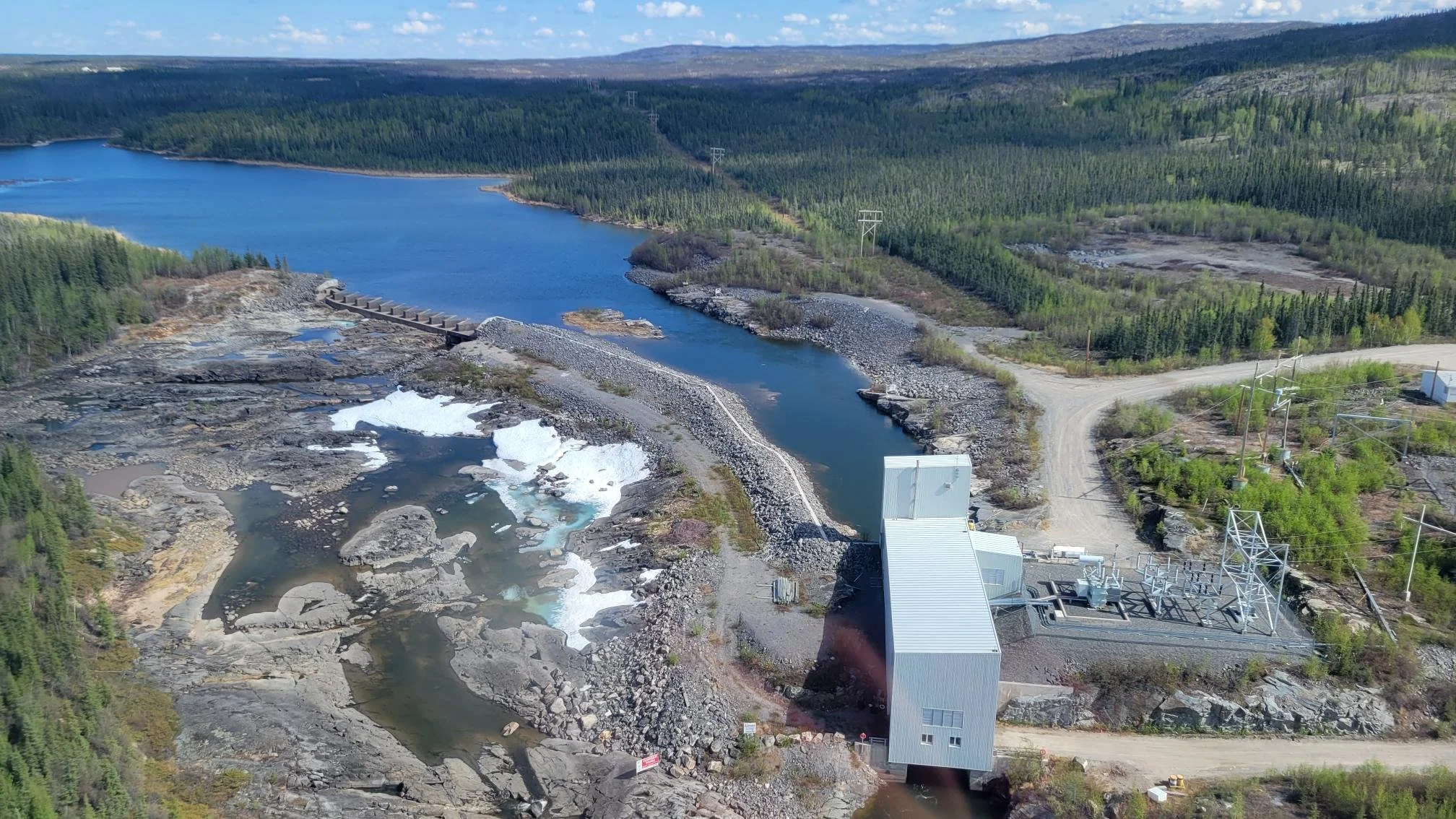
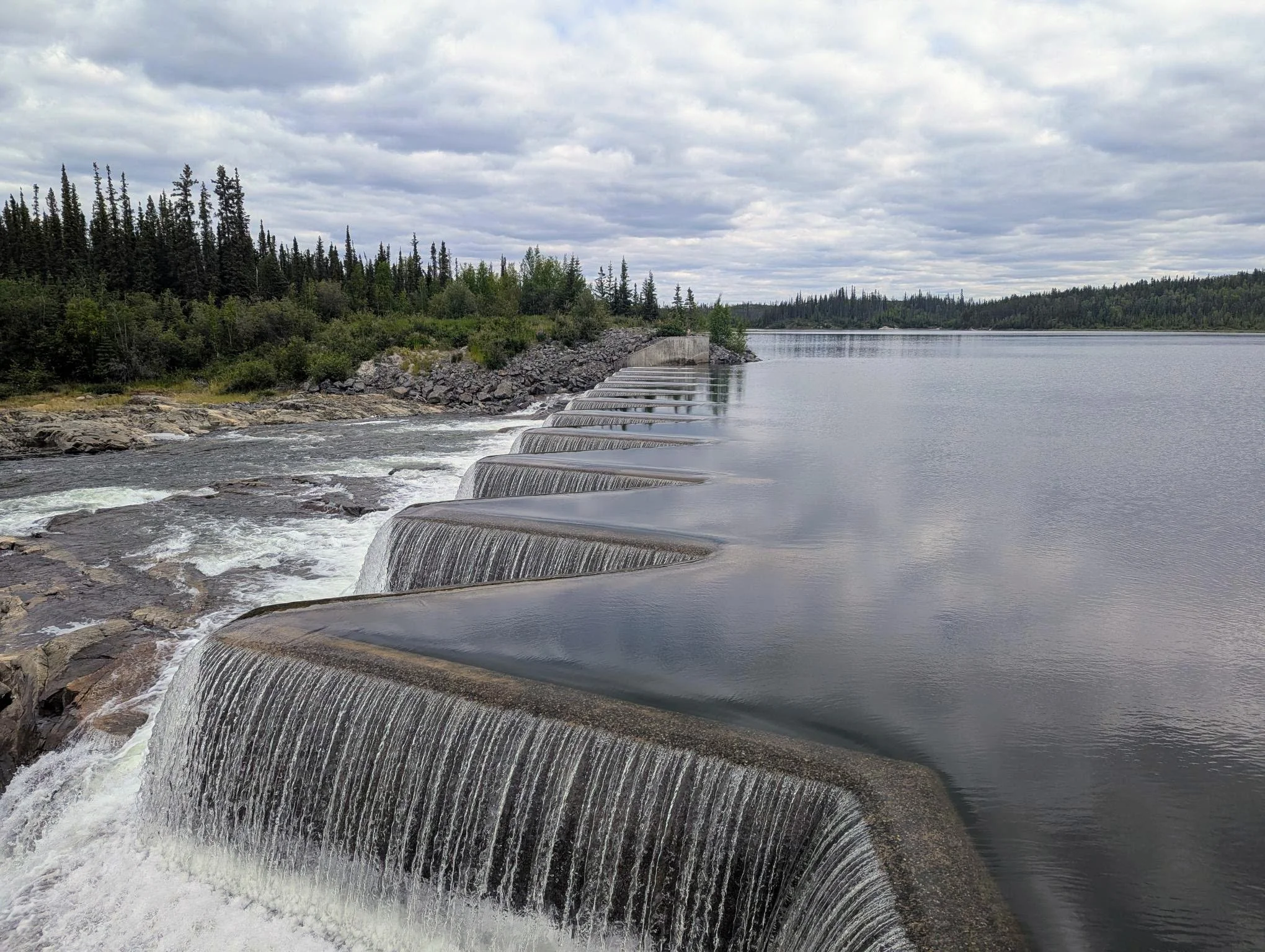
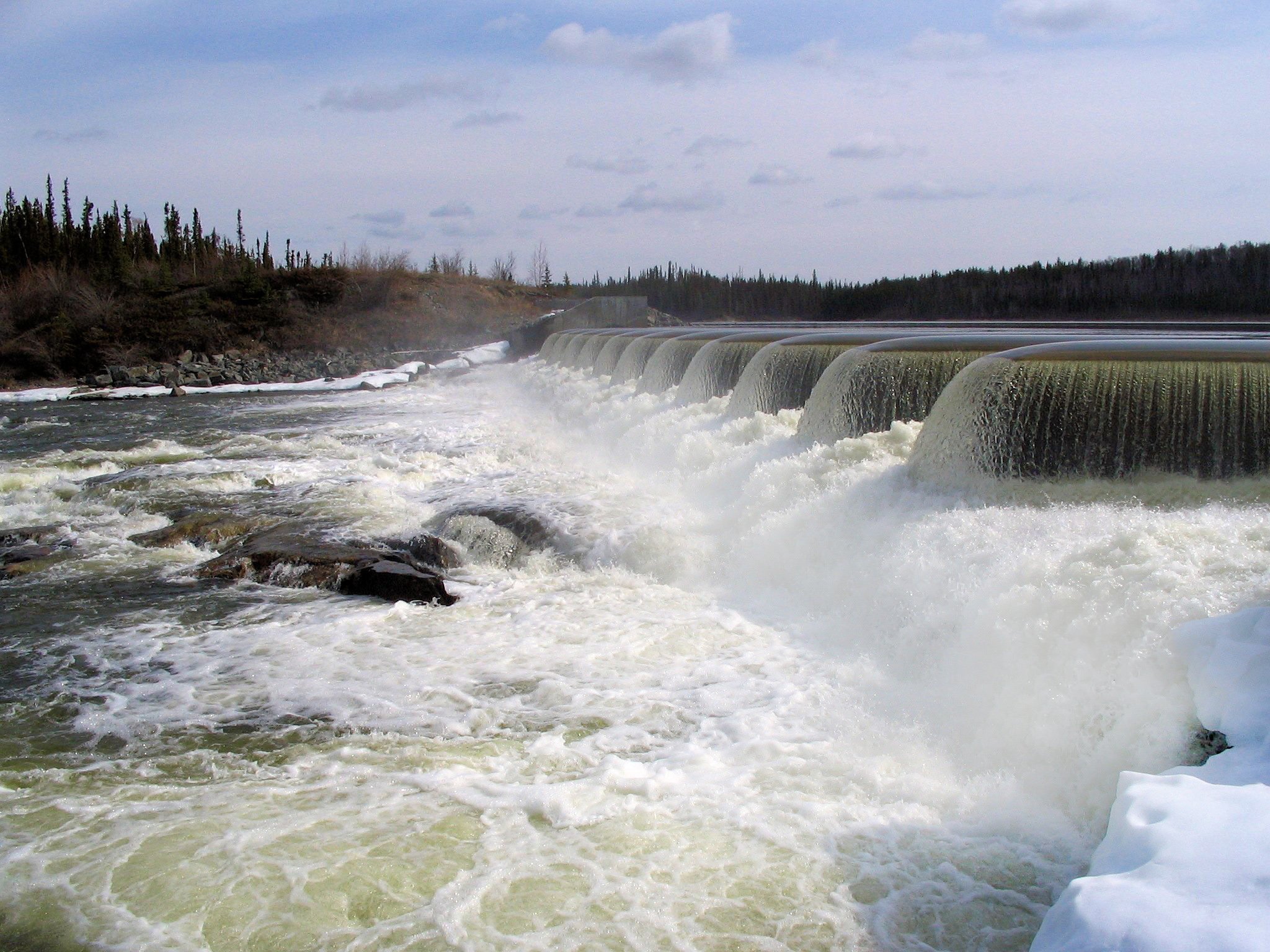
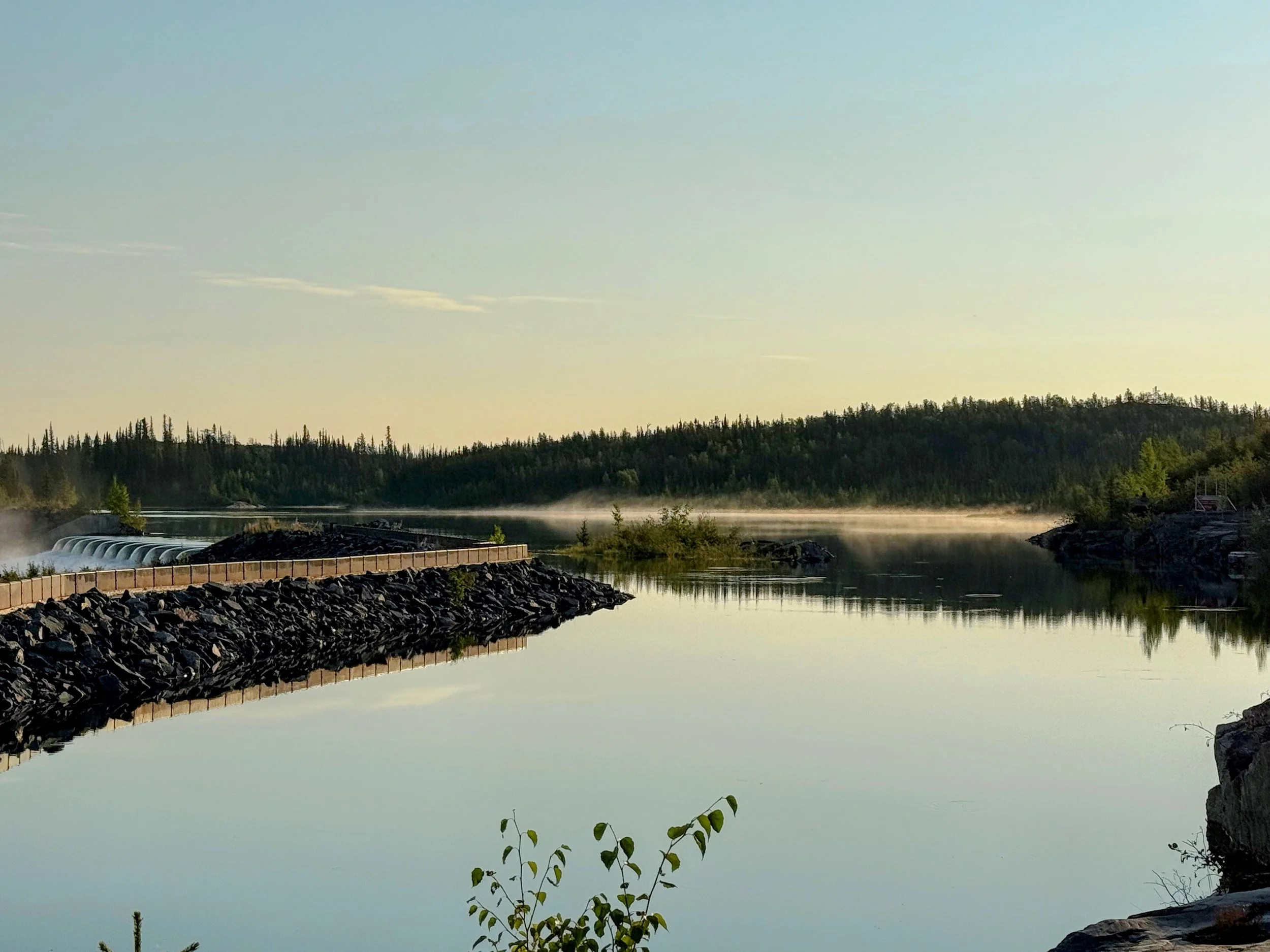
Photo Gallery: Snare Cascades Generating Station, NWT - infrastructure and surroundings on Tłı̨chǫ lands.
But there was no equity in it. When the mine closed, that was it. The community got nothing lasting out of the deal.
Now Pine Point Mining is looking at reopening the site. This time, the Métis will have a real stake in what gets built.
The current moment
Four developments are converging right now that feel significant:
The Taltson hydro expansion has been referred to the Major Projects Office with serious federal support behind it.
The Indigenous partnership – the Deninu Kụẹ́ First Nation, the Łutsel K’e Dene First Nation, the Yellowknives Dene First Nation, the Salt River First Nation and the Northwest Territory Métis Nation – is formalized and functioning. This isn’t a study. It’s a working partnership aimed at genuine equity ownership in a major energy project.
Elsewhere in the territory, the Tłı̨chǫ Government and the GNWT have signed an MOU to explore a new hydro facility on Tłı̨chǫ lands – a project that would be Indigenous-owned from the ground up.
The territorial government, NTPC and the NWT Public Utilities Board are developing an integrated resource planning framework that will, for the first time, give any Indigenous community a clear road map for energy participation – from solar panels on community buildings to becoming an independent power producer selling back to the grid. Every community currently has to negotiate its own arrangement from scratch. This framework changes that.
A different kind of project
The Northwest Territory Métis Nation has signed an MOU with NTPC to work on power generation for Pine Point Mining as part of the broader Taltson expansion. The key word is partnership – not employment, not construction contracts, but equity ownership and a real say in how energy gets developed on our land.
The key word is partnership - equity ownership and a real say in how energy gets developed on our land.
Why work with NTPC rather than going it alone? NTPC has the infrastructure, the operational experience and the established relationships. We don’t need to build an energy institution from scratch.
What we want is to participate meaningfully in what’s already there, with our interests formally protected. That’s what the MOU does. It’s not a ceremonial document – it’s a mechanism for co-operation that serves both sides.
Power generation represents somewhere between 30 and 35 per cent of a mine’s operating costs. If we have equity in the power generation, we have real influence. If somebody else controls it, we have much less leverage over what happens on our own land. That’s the calculation we’ve been making for 20 years.
Not one size fits all
Not every community wants the same level of involvement, and that’s entirely legitimate.
Some just want reliable, affordable power. Others want equity stakes in the infrastructure itself. All of those positions deserve a clear path forward – which is exactly what the integrated resource planning framework is designed to provide.
Anyone designing this as one-size-fits-all would be making the same mistake as before – deciding for people instead of with them.
The door should also stay open.
For future generations
There’s a particular Métis philosophy worth naming here. We have always valued individual independence and small businesses over state-owned enterprises.
Going back to the Norman Wells oil field, when the Métis Development Corporation had opportunities to become directly involved, we stepped back so individual Métis entrepreneurs could pursue those opportunities themselves. The philosophy: create the conditions for people to build something of their own.
Ownership that generates returns. Returns that flow back into communities, into education, into the next generation.
Energy infrastructure requires collective action at a scale individuals can’t manage alone.
But the underlying principle is the same –real economic agency, not symbolic participation.
Ownership that generates returns. Returns that flow back into communities, into education, into the next generation.
My kids aren’t trappers – most of them are university graduates. My grandson likes to hunt and he has the right to harvest, but he’ll also study, work, raise a family, pay power bills and depend on a grid.
The decisions we make now about how that grid gets built, and who owns it, will shape his life in ways we can’t fully predict.
The Taltson expansion will run for 60 years or more. That’s a generational investment – the only frame that makes sense for something built on this land, for these people.
We didn’t get much out of the first Pine Point. This time we’re working to make sure that’s different – not just for the Métis communities of Fort Smith, Fort Resolution and Hay River, but for everyone across the NWT connected to the Taltson and Snare systems.
Indigenous people in the North are not going anywhere. The only question is whether the next generation of resource projects gets built with us, or once again without us.
I know which one I’m working toward.
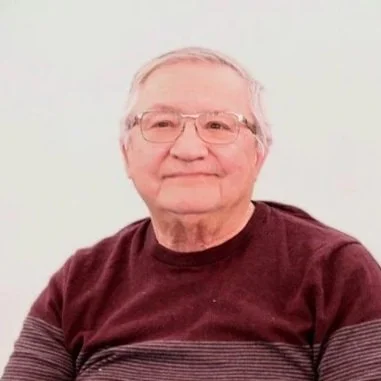
Jake Heron is chief negotiator for the Northwest Territory Métis Nation.